
OPEXSTUDIO
← All examples
Hospitality / 6S / worked example

Find it. Use it. Reset it.

Start with a photo and a small change you can check.

Take the full example with youPhotos. People. A practical plan.

Project timeline, actions for every S and checks before completion.

Open sample PDF Free to read. No sign-in needed.
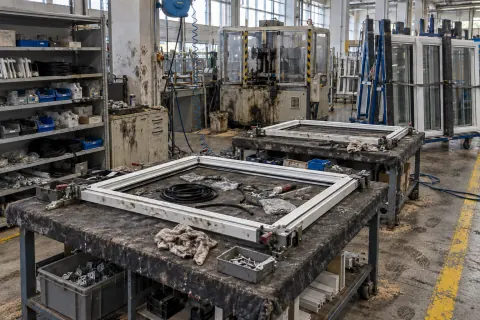
Generated illustration: Find it. Use it. Reset it., starting condition
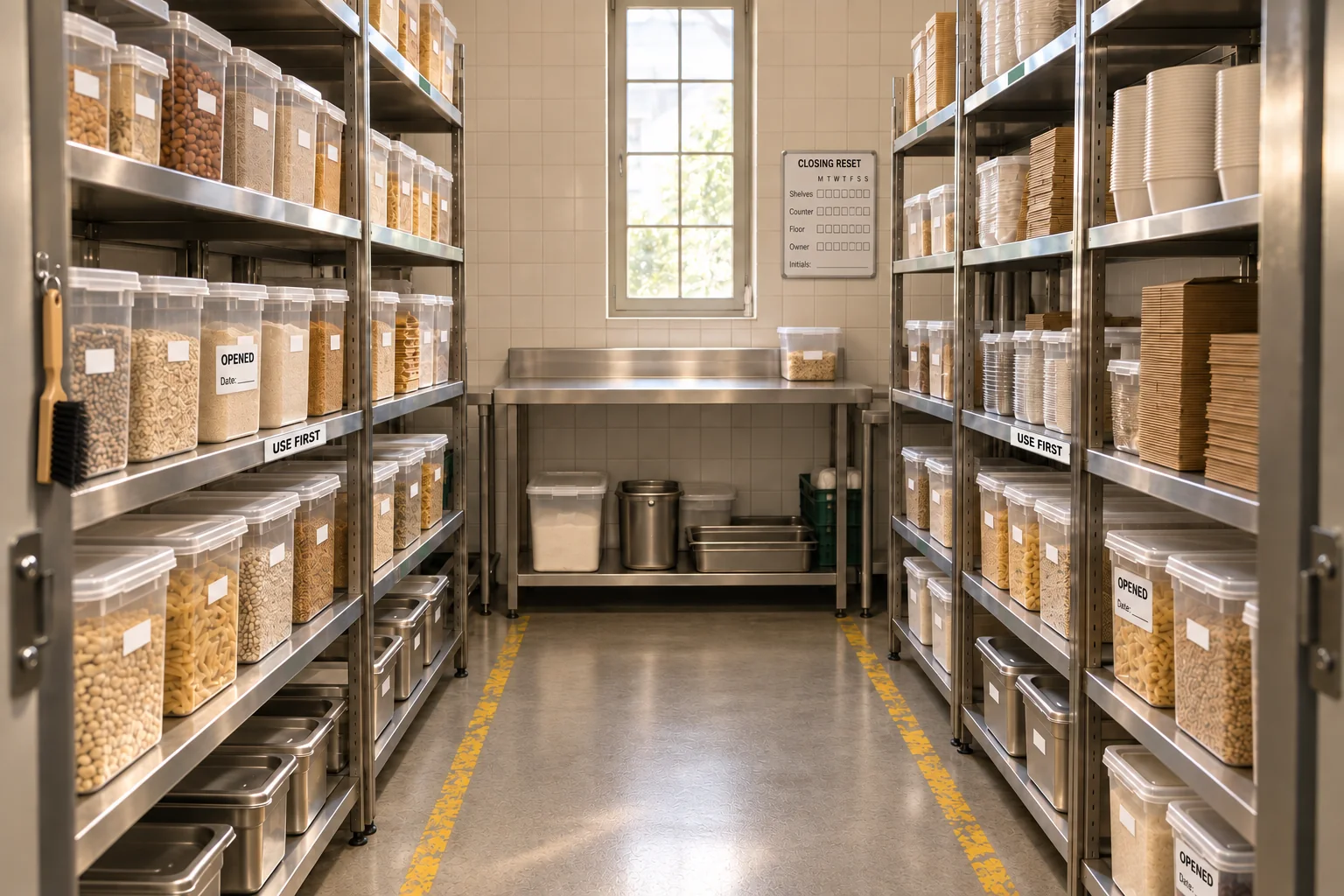
Generated concept: a possible improved arrangement for Find it. Use it. Reset it.
Starting pointProposed concept
Generated illustrations. The concept shows a possibility, not a completed improvement or verified safety result.
Learn it, then try it

Understand the method
behind this example.

Two illustrated lessons with practical steps, a question to try and feedback. Read online or follow the teaching pages in the full report.

A clear starting point

Make the problem
small enough to work on.

20 sample retrievals. Turn a clearer space into a routine.

Sample baseline126 sectime to find an item (median)
Proposed goal60 secretrieval goal

Illustrative starting figures. The goal has not been achieved.

Hospitality / 6SOPEX field notes

Find it. Use it. Reset it.

20 sample retrievals. Turn a clearer space into a routine.

Sample starting point126 sectime to find an item (median)
Goal to work towards60 secretrieval goal
01

Sort

Keep needed stock

02

Set in order

Give items homes

03

Shine

Clean and inspect

04

Standardize

Make the reset clear

05

Sustain

Check every shift

06

Safety

Verify local concerns

See the pantryPicture a better layoutTry one bayCheck each shift

A worked example to learn from. Sample figures and people; targets are not achieved results.

People, timing and a clear finish

A plan the team can follow.

Read the full report ↗

Project completion timeline

Planned finish · Day 30
  1. Agree the starting pointNina · Kitchen

    Day 1–7 · Local access decisions, item counts and timing definitions are agreed.

  2. Try clearer storageOmar · Stores

    Day 8–14 · Both shifts test one bay; compare all 20 cycles and wrong selections.

  3. Practice the resetPriya · Training

    Day 15–21 · Both shifts demonstrate the routine and record missed checks.

  4. Recheck and hand overLeo · Management

    Day 22–30 · Repeat the sample, verify actions and agree the next review.

Proposed timing and fictional owners. Close each action after its check is met; a date alone does not prove completion.

Actions for each S

Planned finish · Day 30
  1. SortAgree useful stock quantitiesNina · Kitchen

    Review dry-store stock with the responsible kitchen owner and authorize the disposition of unnecessary or expired items.

    Day 1–7 · Retained quantities match demand; food, allergen and expiry decisions follow the local process.

  2. Set in orderGive each item a clear homeOmar · Stores

    Trial labeled locations for the selected stock group, preserving appropriate storage conditions and rotation rules.

    Day 8–14 · Twenty comparable retrieval cycles can be observed; wrong selections and missing stock are counted separately.

  3. ShineFind the cause of residueOmar · Stores

    Clean through the approved food-service routine and investigate recurring spills, damaged packs or contamination sources.

    Day 8–14 · The responsible owner checks the source and recurrence; wiping alone does not close the concern.

  4. StandardizeAgree a shift resetPriya · Training

    Create a short accepted location, replenishment and reset standard that the incoming team can use.

    Day 15–17 · A different shift demonstrates the reset and identifies what to do when stock or a check is missing.

  5. SustainReview four weeks of useLeo · Management

    Record scheduled resets, missed checks and responses; review retrieval and request samples each week.

    Day 18–30 · Repeated-practice evidence supports any later Sustain assessment; the concept image cannot establish it.

  6. SafetyCheck storage and accessNina · Kitchen

    The responsible food-service and site leads review storage, manual handling and aisle access before the trial.

    Day 1–30 · Local food and work controls are confirmed; unresolved concerns retain an owner and response date.

Proposed timing and fictional owners. Close each action after its check is met; a date alone does not prove completion.

Bring the idea back to your work

Start the conversation with your team.

Use the report to choose one area, name the next action and agree how you will check it. Try a photo from your own workplace, then turn the possibility into a practical plan.

Keep exploring

Another useful starting point.

See every example →