

OPEXSTUDIO
← All examples
Café / 6S / worked example

Make the morning easier

A small, familiar space is enough to begin.

Take the full example with youPhotos. People. A practical plan.

Project timeline, actions for every S and checks before completion.

Open sample PDF Free to read. No sign-in needed.
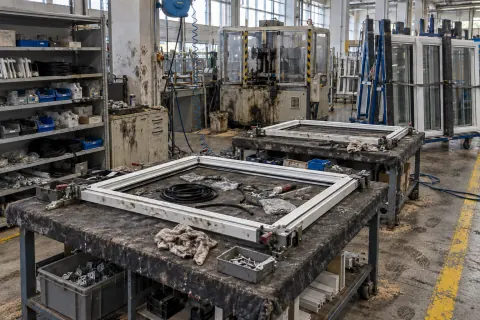
Generated illustration: Make the morning easier, starting condition
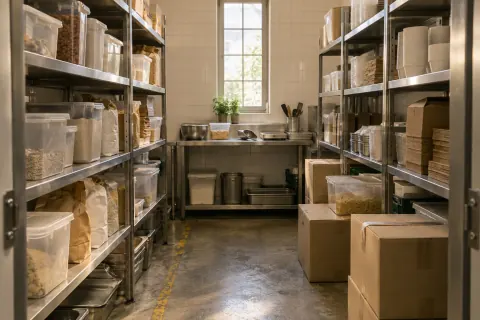
Generated concept: a possible improved arrangement for Make the morning easier
Starting pointProposed concept
Generated illustrations. The concept shows a possibility, not a completed improvement or verified safety result.
Learn it, then try it

Understand the method
behind this example.

Two illustrated lessons with practical steps, a question to try and feedback. Read online or follow the teaching pages in the full report.

A clear starting point

Make the problem
small enough to work on.

A fictional café restock example. Photograph the shelf, then test a change.

Sample baseline95 secto find supplies
Proposed goal45 secretrieval goal

Illustrative starting figures. The goal has not been achieved.

Café / 6SOPEX field notes

Make the morning easier

A fictional café restock example. Photograph the shelf, then test a change.

Sample starting point95 secto find supplies
Goal to work towards45 secretrieval goal
01

Choose one shelf

02

Picture the reset

03

Try it tomorrow

04

Keep what works

Choose one shelfPicture the resetTry it tomorrowKeep what works

A worked example to learn from. Sample figures and people; targets are not achieved results.
People, timing and a clear finish

A plan the team can follow.

Read the full report ↗

Project completion timeline

Planned finish · Day 10
  1. Time the searchAna · Barista

    Day 1–2 · Use ten comparable restock tasks.

  2. Choose clear homesMax · Shift lead

    Day 3–4 · Practitioners find and return the correct supplies.

  3. Try the resetJo · Barista

    Day 5–7 · Record searches and wrong selections during normal work.

  4. Keep or adjustAna · Barista

    Day 8–10 · Compare the next ten tasks with the goal.

Proposed timing and fictional owners. Close each action after its check is met; a date alone does not prove completion.

Actions for each S

Planned finish · Day 10
  1. SortKeep what the shift needsAna · Barista

    Review cups, tools and counter supplies with the shift lead; retain a useful agreed quantity and clear obsolete items.

    Day 1–2 · The team agrees the needed items and quantities without discarding food or supplies outside the local process.

  2. Set in orderChoose easy-to-reach homesMax · Shift lead

    Try one agreed position for cups, tools and replenishment supplies around the existing barista workflow.

    Day 3–4 · Two baristas find and return the selected supplies without blocking each other.

  3. ShineReset and notice problemsMax · Shift lead

    Use the approved cleaning routine between trial shifts and report recurring spills or equipment faults.

    Day 3–5 · The following shift checks the recurrence and names the owner of any unresolved fault.

  4. StandardizeAgree a small reset cardJo · Barista

    Write a short opening and handover reset with the shift lead, including what to do when supplies are missing.

    Day 6–6 · The incoming shift can use the card without a separate explanation.

  5. SustainRepeat and review the trialAna · Barista

    Check the reset across the remaining trial shifts and repeat comparable supply searches before the day 10 review.

    Day 7–10 · Record actual times, missed resets and staff comments; ten days is an initial trial, not proof of long-term sustainment.

  6. SafetyCheck the counter arrangementMax · Shift lead

    The shift lead checks spill response, access, hot surfaces and food-handling requirements before changing positions.

    Day 1–10 · Existing operating and hygiene controls remain effective; concerns are resolved through the local process.

Proposed timing and fictional owners. Close each action after its check is met; a date alone does not prove completion.

Bring the idea back to your work

Start the conversation with your team.

Use the report to choose one area, name the next action and agree how you will check it. Try a photo from your own workplace, then turn the possibility into a practical plan.

Keep exploring

Another useful starting point.

See every example →